
What Actually Works? A Complete Guide to Rat Repellents
Effective rat control prioritizes exclusion, sanitation, and strategic mechanical measures over fleeting scent or ultrasonic fixes. Tamper‑resistant bait stations and properly placed snap traps yield measurable population reductions when inspected and maintained. Sealing entry points with metal or concrete prevents reentry, while disciplined food storage and habitat modification remove attractants pest control for rats. Scent and electronic devices can produce short‑term avoidance but habituate. Performance depends on placement, monitoring, and durable repairs; continued guidance outlines step‑by‑step implementation and escalation.
Quick Wins: Proven Repellents That Actually Reduce Rats
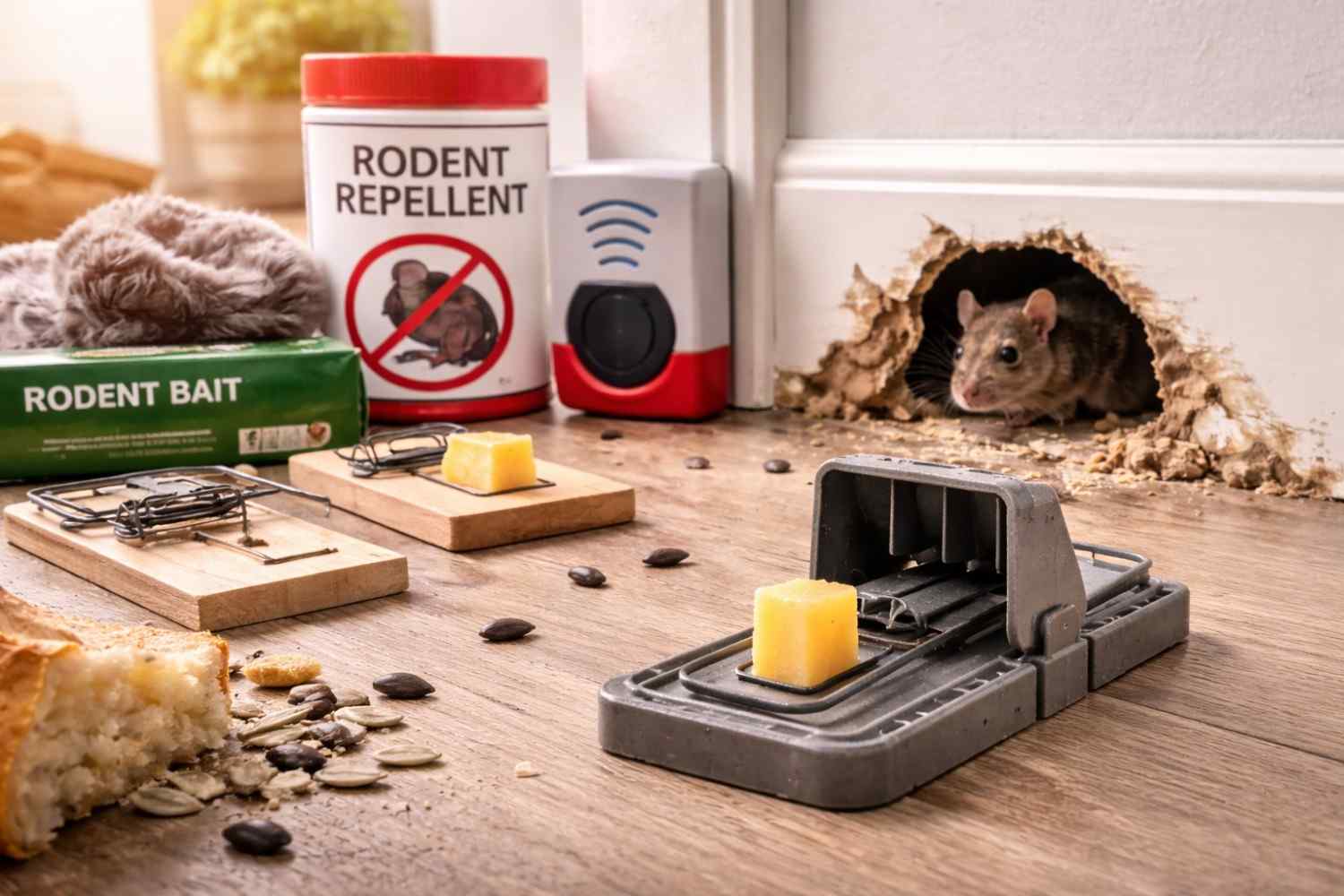
Among commonly available options, a small set of repellents consistently reduces rat activity when applied correctly: commercial rodenticide bait stations for population reduction, tamper-resistant mechanical traps for targeted removal, and exclusion measures—sealing entry points with metal or concrete—to prevent reentry; complementary strategies include habitat modification (removal of food and harborage) and sanitation to sustain gains.
Practitioners favor bait stations for controlled delivery and reduced non‑target risk; placement and maintenance protocols determine efficacy. Snap traps remain effective for rapid localized knockdown when deployed along proven travelways and checked frequently. Integration emphasizes measurable objectives, monitoring, and iterative adjustments rather than reliance on single products https://igreenasia.com/. The approach respects occupant autonomy by prioritizing transparent methods, verifiable outcomes, and options that minimize collateral impact while restoring useable space.
When Repellents Fail: Why Exclusion and Sanitation Beat Sprays
When repellents such as sprays and ultrasonic devices fail to produce lasting reductions in rat activity, structural exclusion and rigorous sanitation prove more reliable because they address root causes rather than symptoms. The approach prioritizes sealing entry points, prioritizing structural repairs to deny access, and instituting disciplined food storage protocols. Evidence favors physical barriers and environmental control over temporary deterrents. Implementation requires inspection, targeted repairs, durable materials, and behavior change that preserves liberty by reducing dependence on continuous treatments. Measured outcomes show sustained reductions when maintenance and waste management are enforced.
| Intervention | Effect |
|---|---|
| Structural repairs | High — eliminates ingress |
| Food storage | High — removes attractants |
| Sanitation | Moderate — reduces resources |
| Monitoring | Moderate — verifies integrity |
Comparing Options: Scent, Ultrasonic, Traps, and Natural Remedies
In evaluating repellents and control methods, scent-based products, ultrasonic devices, mechanical traps, and natural remedies should be assessed against objective criteria: efficacy, durability, safety, cost, and regulatory compliance. The comparison treats electronic deterrents—ultrasonic and pulsed systems—critically: short-range effects, habituation risks, and variable field data limit sole reliance.
Scent-based repellents deliver transient behavioral modification; volatility and environmental masking reduce long-term performance. Mechanical traps provide predictable lethality or capture when deployed strategically and inspected; maintenance burden and humaneness considerations factor into selection.
Natural remedies (predator presence, botanical extracts) offer low-toxicity alternatives but show inconsistent reproducibility. Habitat modification complements all tactics by removing attractants and shelter, increasing overall control success.
Decision-making should prioritize measured outcomes, legal standards, and individual liberty to choose robust combinations.
How to Use Repellents Effectively: Placement, Timing, and Safety
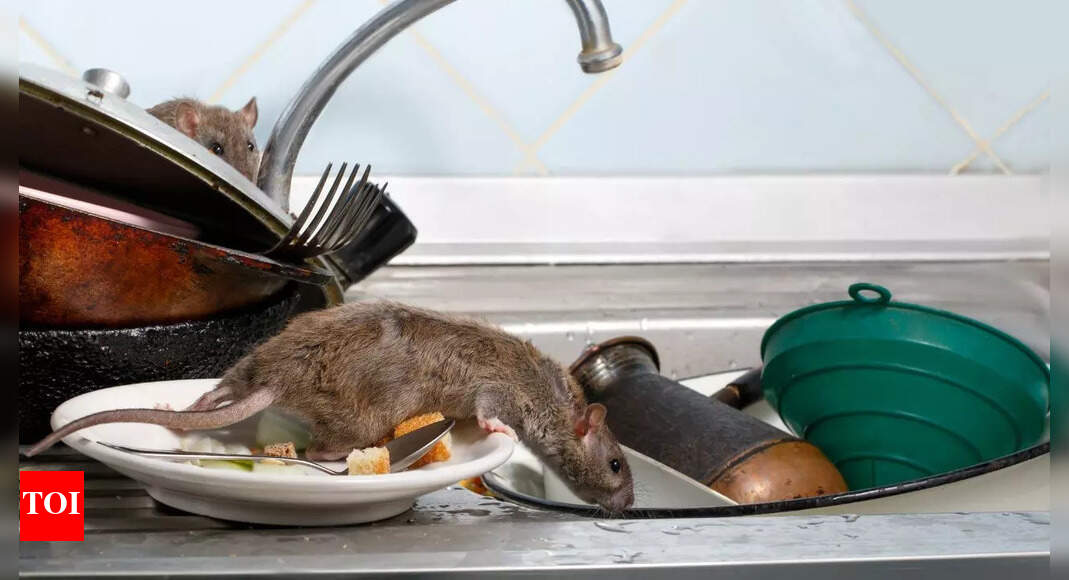
For peak performance, repellents must be deployed with attention to spatial coverage, exposure timing, and human/animal safety protocols. Guidance emphasizes proper placement: position devices at entry points, along runways, and at ceiling voids where rats travel, avoiding sealed containers and combustible areas. Maintain line-of-sight for ultrasonic units and rotate scent sources to prevent habituation.
Observe seasonal timing: increase deployment in autumn when rodents seek shelter and reduce in high-ventilation periods to preserve concentrations. Safety protocols require securing baits and toxicants out of reach, following label limits, and ventilating treated spaces.
Inspect devices weekly, document activity, and adjust arrays to maintain uninterrupted coverage. This disciplined, rights-respecting approach maximizes efficacy while minimizing non-target impacts.
Choosing Products and Next Steps: What to Buy and When to Call a Pro
Select products based on infestation scale, site characteristics, and safety constraints: use tamper-resistant bait stations and snap traps for indoor, confined infestations; place covered baiting systems and multiple trap arrays along exterior runways for outdoor perimeter control; reserve glue boards for monitored, non-chemical applications where legal and non-target risk is low.
Product selection prioritizes efficacy, safety, budget considerations, and warranty options. For small, localized problems choose traps and bait with clear instructions; for widespread activity consider professional-grade rodenticides or integrated control services. Call a licensed pest professional when activity persists after systematic efforts, when children/pets are at risk, or for structural access issues. Maintain documentation of product labels, purchase receipts, and warranty terms. Regular monitoring and targeted follow-up maximize autonomy while preserving legal and safety compliance.
| Item | Recommended use |
|---|---|
| Snap trap | Indoor, quick removal |
| Bait station | Indoor/outdoor baiting |
| Rodenticide | Severe infestations |
| Professional service | Persistent/complex cases |
Conclusion
The review concludes that targeted exclusion and rigorous sanitation produce the most reliable, long-term reduction in rat activity, while chemical and scent-based deterrents yield inconsistent, short-lived effects. Ultrasonic devices and many “natural” remedies lack robust empirical support. Effective implementation requires strategic placement, regular maintenance, and integrated use of traps where necessary. For persistent infestations, escalation to professional inspection and exclusion services is advised to guarantee structural integrity and durable population control.…